Why YouTube Remains the King of Social Media
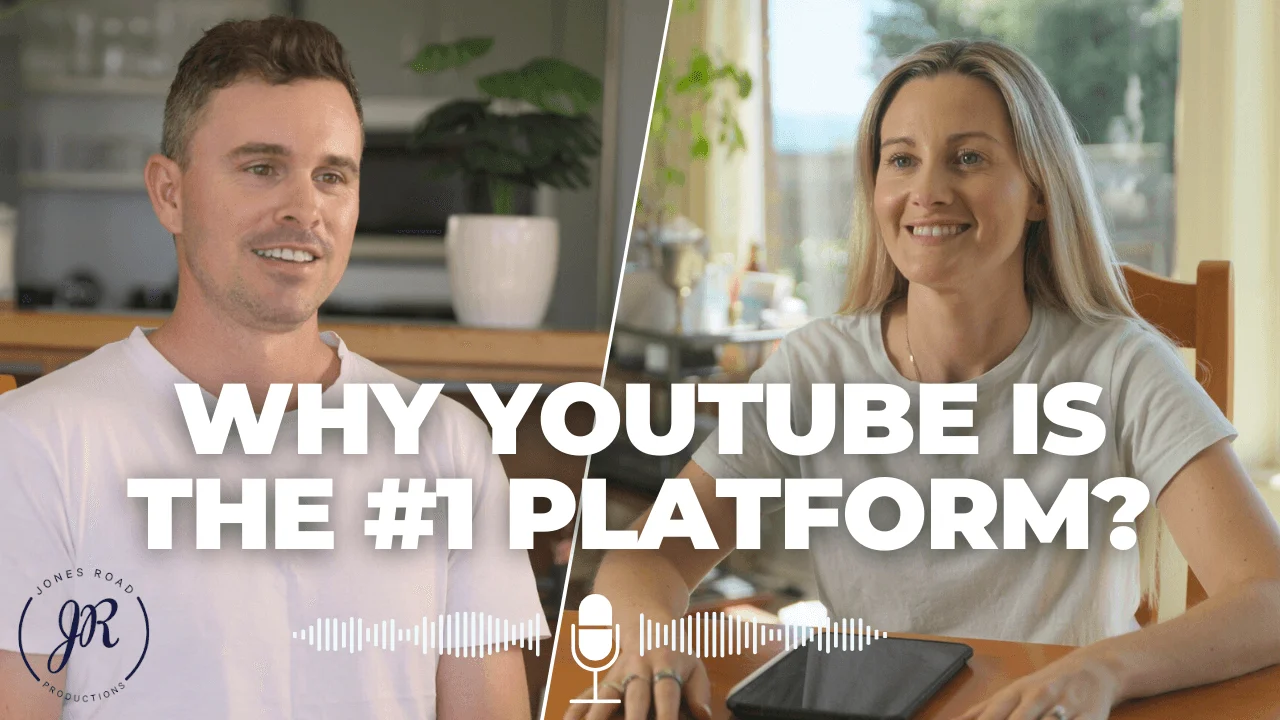

In the ever-changing world of social media, platforms rise and fall with dizzying speed. Yet, one giant has stood the test of time and continues to dominate the digital video landscape: YouTube. Despite sometimes being overshadowed in casual conversations by trendier apps like TikTok or Instagram, YouTube remains the top social media platform for video content, learning, and advertising.
In this podcast episode, Ben and Tasha dive into what makes YouTube unique, why it maintains its leadership, and how businesses can tap into its vast potential. From its origins and evolving role in video consumption to its innovative advertising model and growing importance in podcasting and streaming, this discussion reveals why YouTube is more relevant than ever in 2025.
Watch the full podcast episode here: Why YouTube Remains the Top Social Media Platform
One of the key reasons YouTube remains at the forefront of social media is its incredible ability to adapt and evolve. Launched in 2005 as a simple video-sharing site, YouTube quickly grew into a global hub for creators and viewers alike. Its ownership by Google further strengthened its position by integrating powerful search capabilities and monetization features.
Unlike many platforms that chase fleeting trends, YouTube focuses on building a reliable, scalable infrastructure that serves a wide range of user needs — from casual entertainment to deep educational content. This adaptability means that while new platforms gain quick popularity, YouTube continues to attract billions of monthly active users.
The platform’s investment in features like Shorts (their answer to TikTok), live streaming, and premium memberships shows its commitment to staying relevant and competitive. As a result, YouTube has become more than just a video platform — it’s a critical part of the digital ecosystem.
What truly sets YouTube apart from other social media platforms is its role as a powerful search and learning tool. While apps like Instagram or TikTok often emphasize quick, entertainment-focused clips, YouTube is frequently used by people looking for in-depth tutorials, how-to guides, educational lectures, and product reviews.
This educational aspect is a huge draw. Whether you’re trying to fix a leaky faucet, learn a new language, or understand complex scientific concepts, YouTube offers an unparalleled library of videos created by experts and enthusiasts worldwide.
For marketers and businesses, this means YouTube is not just a place to entertain—it’s a platform to establish authority and trust. By providing valuable, informative content that answers common questions, brands can position themselves as industry leaders and attract an engaged, loyal audience.
Another factor in YouTube’s enduring dominance is its innovative advertising ecosystem. Unlike many platforms that rely on interruptive ads or solely ad-free subscriptions, YouTube has developed a hybrid revenue model:
This model benefits creators, advertisers, and users alike. Creators earn money from ad revenue and premium subscriber views, incentivizing high-quality content production. Advertisers can target highly specific audiences thanks to YouTube’s integration with Google’s vast data and search algorithms, improving ad relevance and effectiveness.
For businesses, this means YouTube advertising offers excellent opportunities to reach diverse audiences at different stages of the buying journey—whether they’re casually browsing or actively researching products.
The podcast highlights that businesses looking to grow on YouTube should focus on providing value-driven content that educates and solves problems. This strategy helps companies stand out and build long-term trust with potential customers.
Here are some tips for businesses aiming to establish thought leadership on YouTube:
By prioritizing valuable content over pure promotion, businesses can attract an audience eager to learn and interact, which ultimately supports brand awareness and sales growth.
Another important factor behind YouTube’s dominance is its seamless integration across multiple devices. The platform isn’t limited to desktop or mobile viewing—YouTube is now a staple on Smart TVs, streaming devices, tablets, and more.
This versatility means users can watch their favorite content anytime, anywhere—whether it’s a quick video on their phone during a commute or a full documentary on their living room TV. This expansion significantly boosts watch time and engagement, making YouTube an indispensable part of daily media consumption.
Additionally, YouTube’s growth into podcasting and streaming further broadens its appeal. Creators are increasingly using YouTube not just for video clips, but for long-form content and audio-focused shows, blurring the lines between traditional video and podcasting platforms.
This multifaceted approach enables YouTube to capture diverse audiences with varying content preferences, strengthening its market position.
Looking ahead, YouTube’s combination of searchability, educational value, diverse monetization, and device reach positions it as a vital platform for anyone involved in digital marketing or content creation.
Brands that ignore YouTube risk missing out on:
For content creators, YouTube offers a sustainable platform with monetization, community-building, and creative freedom.
In a social media landscape often dominated by hype and viral trends, YouTube’s enduring success stems from its ability to adapt, educate, and monetize effectively. Whether you’re a business looking to grow your brand, a creator aiming to build a loyal audience, or a marketer exploring ad options, YouTube remains a must-use platform in 2025 and beyond.
Start by focusing on quality, value-driven content that answers your audience’s questions and provides real solutions. Leverage YouTube’s robust advertising tools to reach targeted viewers, and don’t forget to optimize your videos for search to maximize discoverability.

Ready to capture your story? Contact us now for a free consultation and bring your vision to life.



.svg)


.svg)
