Navigating the Future of Video Marketing
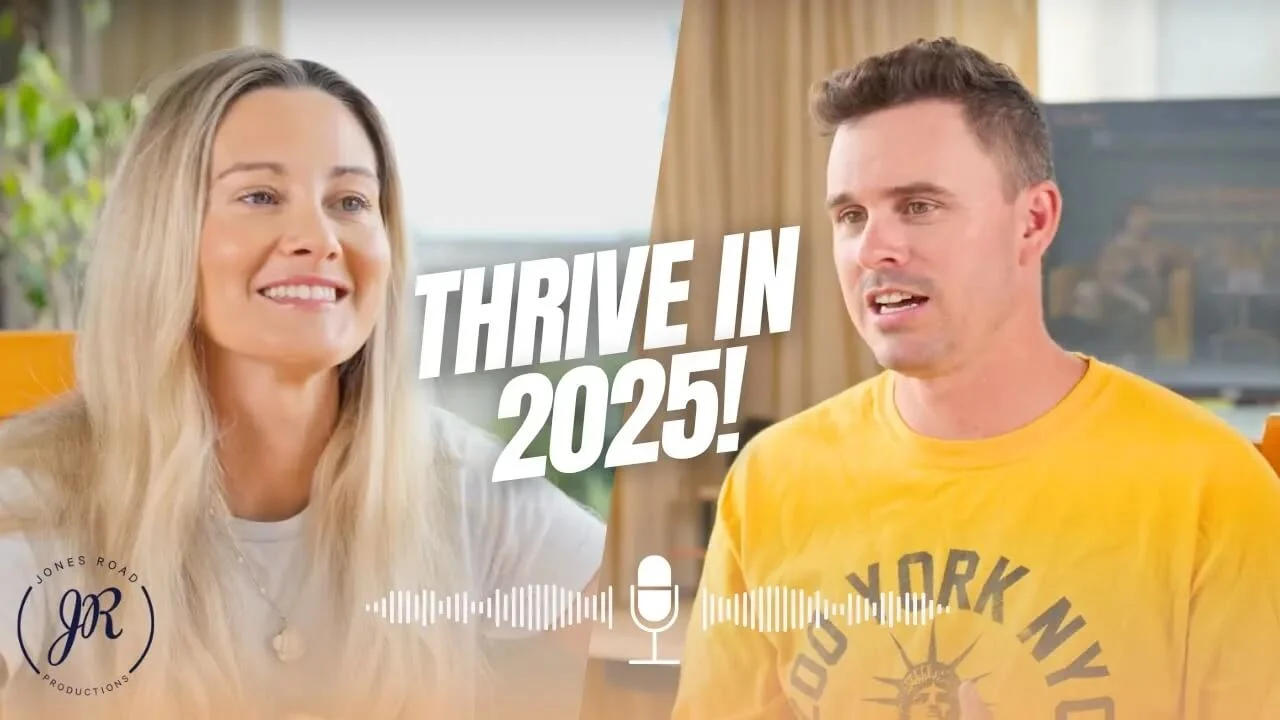

In today’s fast-evolving digital landscape, video marketing continues to be at the forefront of how brands and creators engage audiences. With new platforms, shifting algorithms, and groundbreaking technologies emerging all the time, staying informed and adaptable is essential. In their latest podcast episode, Ben and Tasha explore several critical trends and challenges shaping the future of video marketing — from the US TikTok ban reversal to the rise of generative AI in video production, and what marketers should expect in 2025.
In this article, we break down the key takeaways from their conversation and provide actionable insights for content creators, marketers, and brands looking to thrive in a dynamic video marketing environment.
Watch the full podcast episode here: Ben & Tasha Discuss the Future of Video Marketing
One of the most talked-about issues in recent digital marketing news is the ongoing uncertainty surrounding TikTok’s presence in the US market. The back-and-forth attempts to ban TikTok have highlighted a critical lesson for businesses and creators alike: never rely solely on a single social media platform for your content distribution or audience engagement.
Ben and Tasha emphasize that while TikTok offers incredible reach and engagement, its unstable regulatory status makes it risky as the only platform where you build your brand or business. Instead, marketers should diversify their content strategies across multiple platforms such as Instagram, YouTube, Facebook, and emerging video channels.
More importantly, creators need to develop a deep understanding of their target audience’s preferences and behaviors beyond just the platforms they currently use. This means investing time in audience research and building direct communication channels like email lists or communities, which aren’t dependent on third-party platform policies.
By broadening your digital presence and focusing on authentic audience connections, your marketing efforts are more likely to withstand sudden changes, such as platform bans or algorithm shifts.
The podcast also delves into how video content strategy is evolving. The era of short, hype-driven videos designed primarily to “go viral” is shifting. Instead, Ben and Tasha argue that educational and value-driven video content is becoming essential for sustainable growth and brand loyalty.
Why? Because audiences are growing tired of purely entertainment-based content that lacks depth or meaningful takeaways. Consumers increasingly want videos that teach them something useful, answer their questions, or help them solve problems.
For brands, this means producing tutorials, explainer videos, product demos, and storytelling content that highlights their values and expertise. These videos not only build trust but also foster a loyal community willing to engage over time.
If you’re a content creator or marketer, consider the following to strengthen your video strategy:
Shifting to value-driven video content helps ensure your efforts aren’t just chasing trends but building a solid foundation for ongoing engagement and conversions.
One of the most exciting and simultaneously concerning trends in video marketing is the rapid advancement of generative AI tools that can create video content automatically. Ben and Tasha discuss how AI technologies are revolutionizing video production by enabling faster content creation at lower costs, with tools that can generate visuals, voiceovers, and even entire video scripts.
However, this innovation comes with challenges:
Ben and Tasha stress that marketers should embrace generative AI as a powerful supplement rather than a replacement for authentic storytelling. The best video marketing will blend AI’s efficiency with genuine human insight and creativity.
They also recommend staying informed about AI’s evolving landscape to ethically integrate these tools while maintaining transparency with audiences.
Spotify recently introduced video ads on its platform, sparking debate about whether video content fits naturally into an audio-first environment. Ben and Tasha explore this experiment, considering whether Spotify’s largely passive listening audience is ready to engage with video ads.
Key points discussed include:
While it’s early days for video advertising on Spotify, this development highlights marketers’ continual push to innovate and integrate video in unexpected places. Keeping an eye on such trends will be important for forward-thinking brands.
To close their episode, Ben and Tasha share several intriguing predictions about the video marketing landscape heading into 2025:
While short-form videos exploded in popularity thanks to TikTok and Reels, there could be a gradual decline as audiences seek more meaningful and engaging content rather than rapid, ephemeral clips. This suggests creators may need to balance snackable content with more substantial video storytelling.
With growing awareness about digital wellbeing, a “Wellness movement” may gain momentum, encouraging people to reduce excessive screen time and foster healthier relationships with their devices. Video marketers might need to consider this trend by creating content that respects audience attention and promotes mindful consumption.
Despite these shifts, video will remain a dominant content format across digital marketing channels due to its unmatched ability to engage emotions and tell stories effectively. Brands investing in innovative video strategies, including immersive formats like live video and interactive content, will likely see ongoing success.
Ben and Tasha’s insights offer a valuable roadmap for content creators, marketers, and brands who want to stay competitive and relevant in an ever-changing video marketing ecosystem. Here are some practical tips inspired by their discussion:
By adopting these strategies, you can future-proof your video marketing efforts and build meaningful connections with your audience in 2025 and beyond.

Ready to capture your story? Contact us now for a free consultation and bring your vision to life.




.svg)


.svg)
